Onyx Access Solutions
Oil field equipment supplier
Onyx Access Solutions is a specialized access mat company serving Western Canada. We provide a variety of mat services including Access Mats for difficult terrains, Rig Mats designed for heavy-duty projects like pipeline crossings, and Crane Mats crafted to support extreme loads. We also offer Mat Washing for clean, eco-friendly usage. Catering to construction, oil & gas, and environmental industries, we are your all-in-one solution for matting needs.
About Onyx Access Solutions
Onyx Access Solutions exists for a very practical reason: many worksites in Western Canada sit on terrain that will not support heavy trucks, cranes, or rig equipment without help. Soft ground, muskeg, frozen or thawing soil, sensitive environments. Without proper access mats in place, projects slow down, equipment bogs in, and environmental damage becomes a real problem. Onyx focuses on fixing that, with a full service matting operation that covers rental, delivery, installation, washing, and removal.
They are based in Edmonton, Alberta and work across key industrial regions such as Fort McMurray, Lloydminster, Acheson, Sherwood Park, Fort Saskatchewan, St. Albert, Spruce Grove, and more around that corridor. The core idea is simple: if you need access into difficult terrain for energy, construction, utility, or industrial work, they put solid matting under your equipment so the job can move ahead safely and on schedule.
What Onyx Access Solutions Actually Does
Onyx is not just a yard that rents out mats. It operates as a full service matting provider. That means they handle:
- Access mat rental for temporary roads and work pads
- Rig mats for heavier loads and crossings
- Crane mats made from large timbers for high point loads
- Mat washing through dedicated wash plants
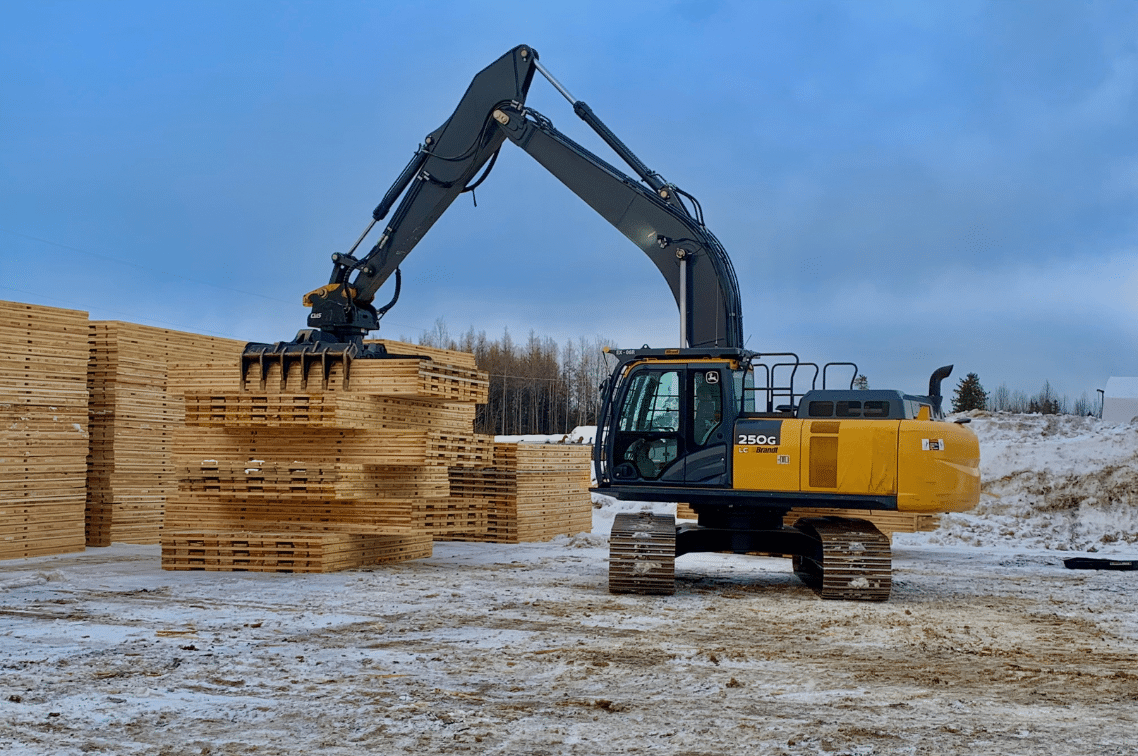
- Trucking to and from site
- On site installation and removal
The company specializes in access, rig, and crane mats, and it backs those products with the logistics and field crews needed to actually put them in the ground correctly. For many clients, that matters more than the mat itself. A stack of mats in a yard does not solve an access problem. A coordinated team that can plan the road, ship the mats, install them, and pull them out at the end of the project does.
Onyx is also partnered with one of the larger mat manufacturers in Western Canada. That gives them access to new mats at competitive pricing, which is useful when a client wants to own a mat fleet for recurring projects or needs a mix of rental and purchase.
Types of Mats and Where They Fit
The company focuses on three main mat types, each suited to a different kind of load and ground condition.
Access mats
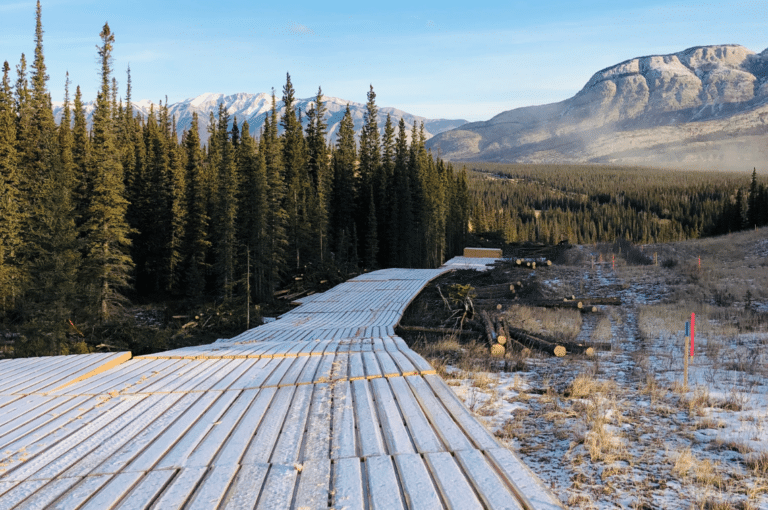
These are the workhorse mats for building temporary access roads and work areas. Think of them as the surface that pickup trucks, light equipment, and moderate loads drive on when the underlying ground is soft or unpredictable. Access mats spread the load and keep tires out of mud, snow melt, or saturated soil.
Typical uses:
- Access roads into drilling or construction sites
- Laydown areas for materials and lighter equipment
- Temporary pads for utility work off the main road
- Pipeline right of way access for smaller machines
Rig mats
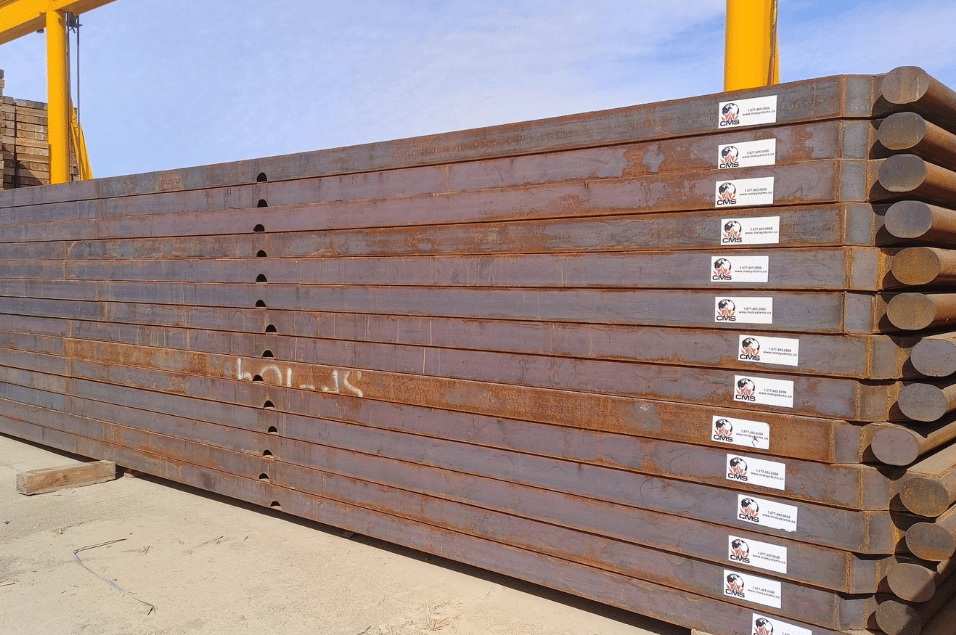
Rig mats are heavier and often framed with steel. They are built to handle higher loads and more aggressive use. They work well where there are concentrated loads, frequent heavy truck traffic, or situations that can punish lighter mats.
Typical uses:
- Pipeline crossings over ditches or soft ground
- Support for heavier tracked equipment
- Staging areas with repeated heavy truck traffic
- Locations where ground failure is not acceptable
Crane mats
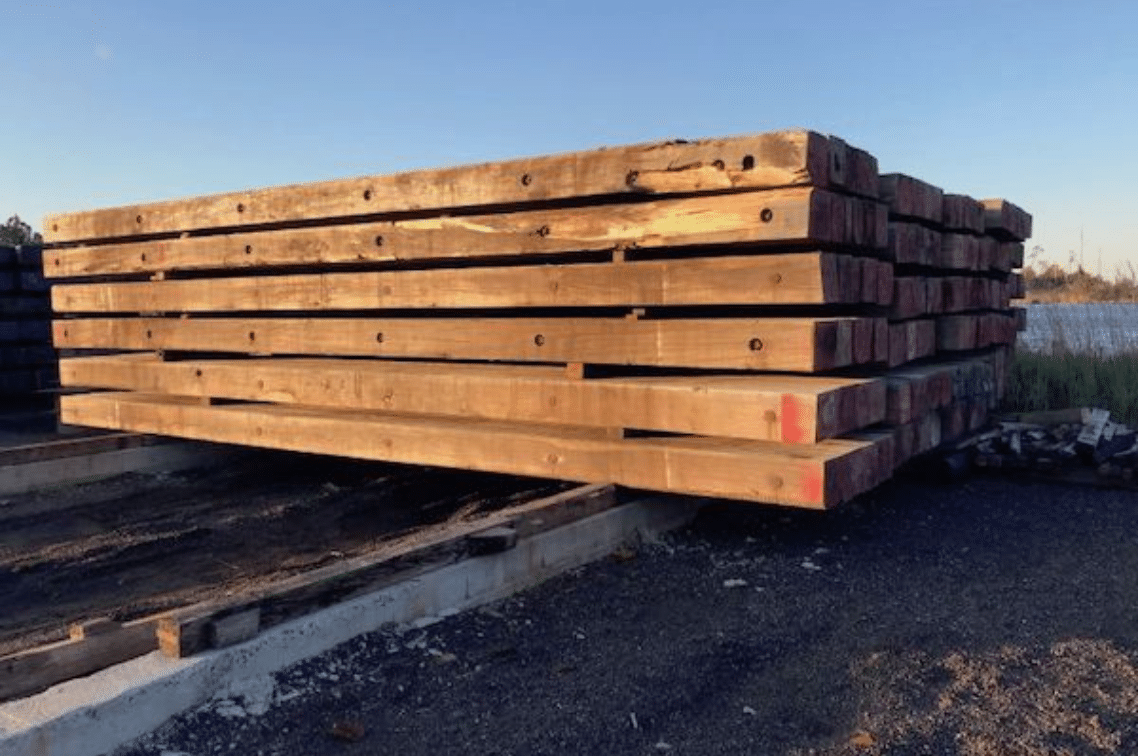
Crane mats use large timbers to manage point loads from cranes and other heavy lifting equipment. A crane outrigger puts a significant load into a small footprint. Without proper support, outriggers can punch into the ground, tilt, or shift. Crane mats spread that load over a wider area.
Typical uses:
- Crane setup areas for lifts on industrial sites
- Heavy modular building placements
- Bridge launches or heavy lifting in remote areas
Matching the right mat type to the right task is where experience shows. Overusing heavy mats can waste money. Underusing them can lead to equipment incidents and schedule problems.
How The Service Usually Works
Most projects follow a straightforward pattern.
- Initial contact and scope
- A client calls or emails with a job location, timeline, and basic needs. For example: a new pad in a remote lease, a temporary road into a low lying area, or a powerline build that needs access for bucket trucks.
- Planning and mat selection
- Onyx helps estimate how many mats will be needed, which types, and how they will be staged. Soil conditions, season, expected loads, and project duration all matter here. Winter access versus spring thaw are very different conversations.
- Trucking and logistics
- The company organizes transport from its yard to site. This includes load counts, trucking schedules, and coordination with client site access rules and timing. Mistakes in logistics are where many matting jobs lose money. Too few loads, wrong arrival sequence, or poor offloading plans can slow everything down.
- Installation on site
- Crews place mats to build access roads, crossings, pads, or laydowns according to the plan. They make adjustments based on actual ground conditions. This is where experience matters again. Slight grade changes, soft pockets, or water flows can force a change in mat layout.
- Mat washing and maintenance
- For longer projects or where environmental regulations are strict, mats may need washing to remove soil, contaminants, or biological material before redeployment. Onyx offers washing through its plants, which helps keep mats in serviceable condition and reduces issues when moving mats between sites.
- Removal and demobilization
- At project completion, mats are lifted, loaded, and hauled away. This is often where clients under-plan. Removing mats takes time and coordination. Doing it efficiently helps return the site to its original condition and keeps demobilization costs under control.
When It Makes Sense To Call Onyx
Companies typically reach out to Onyx Access Solutions in a few predictable situations:
- Upcoming project in muskeg, peat, or soft ground
- Seasonal access issues, such as spring breakup or freeze-thaw cycles
- New wellsite or drilling pad that needs temporary roads and a stable working surface
- Pipeline or utility projects that cross wetlands or unstable areas
- Crane work where outriggers will sit on questionable soil
- Projects that require compliance with environmental protection standards around soil, vegetation, and water
Bringing a matting provider in early helps align the access plan with the rest of the project schedule. Last minute calls when equipment is already getting stuck are common in the industry, but they are usually expensive and avoidable.
Why Proper Matting Matters
Good access matting is not only about convenience. It ties directly to safety, cost control, and regulatory compliance.
- Safety
- Unstable ground can cause equipment to tilt, slide, or sink. That increases the risk of injuries, rollovers, and near misses. A stable, predictable surface reduces those risks.
- Schedule and productivity
- Stuck trucks, bogged excavators, and restricted access chew up hours. Crews stand down while equipment is recovered. Proper mats keep traffic moving and help maintain daily production targets.
- Environmental protection
- Mats help protect soil, reduce rutting, and limit damage to vegetation. They also help prevent mixing of contaminated soils from one location to another when used and washed correctly.
- Cost control
- While matting adds a line item to the budget, it usually prevents higher costs tied to repairs, recovery work, missed milestones, and environmental remediation.
When a company treats access as an afterthought, it often pays for it later.
Common Mistakes Companies Make With Matting
There are a few recurring errors that show up on projects that did not plan matting well.
- Underestimating mat quantities
- Trying to do more road or pad with too few mats leads to thin coverage and corners being cut. That can create weak sections where equipment ends up stuck anyway.
- Choosing the wrong mat type
- Using light access mats where rig mats or crane mats are needed can lead to broken mats and unstable surfaces. The opposite problem is over-specifying heavy mats everywhere and overpaying.
- Planning matting too late
- Bringing in mats after the first trucks are already chewing up the right of way means crews are working in damaged conditions. It also forces matting crews to work around stuck units and repair work.
- Ignoring seasonal and soil conditions
- A road that seems fine in a cold snap can fall apart when temperatures rise. Failing to consider freeze depth, drainage, and thaw cycles is a common oversight.
- Not planning for removal and washing
- Projects often plan for delivery and installation, then treat removal as an afterthought. That can leave mats stranded, dirty, or damaged and can cause friction with landowners and regulators.
- Focusing only on unit price
- Looking only at a rental rate per mat without considering logistics, installation efficiency, and experience can be misleading. A slightly cheaper mat that is not supported by solid field operations can end up costing more.
Onyx positions itself to help clients avoid these mistakes by pairing mat supply with planning and execution.
What Can Happen If Matting Is Done Poorly
If access is managed casually, the results are usually visible.
- Equipment stuck or damaged in soft ground
- Project delays and rescheduled work
- Higher use of winch trucks and recovery equipment
- Complaints from landowners about ruts and damaged approaches
- Soil disturbance that attracts regulatory attention
- Extra spending on remediation at the end of the job
These problems are not abstract. They show up as real invoices, overtime, and strained relationships with stakeholders. For industrial work in Western Canada, where ground conditions shift quickly and projects often sit in remote areas, reliable matting is a core part of execution, not a side detail.
How Onyx Access Solutions Reduces Those Risks
Onyx addresses these issues with a combination of inventory, partnerships, and service focus.
- They maintain a rental fleet of access, rig, and crane mats suited to regional conditions
- They partner with a large mat manufacturer to source new mats when needed
- They operate their own mat washing capability to keep mats in circulation and compliant
- They provide trucking, installation, and removal so clients do not have to coordinate separate vendors for each piece
- They work regularly in the same Alberta and Western Canada regions, so they know typical soil, seasonal, and regulatory patterns
For a project manager, that means a single contact for the entire matting scope. Instead of stitching together a patchwork of suppliers, haulers, and contractors, they can hand the access piece to one team that handles it end to end.
Local Focus And Practical Access Support
Being based in Edmonton positions Onyx close to many of the busiest industrial corridors in Alberta. Fort McMurray projects tied to oil sands operations, Lloydminster and surrounding pipeline work, construction and industrial development around Acheson, Sherwood Park, Fort Saskatchewan, and the surrounding municipalities. These are areas where heavy traffic, variable ground, and tight schedules are normal.
Onyx Access Solutions fits into that picture as the matting specialist. They step in when a site is reachable only with proper access roads, when a crane needs a stable set up area, or when a rig or pipeline crew needs dependable support on ground that would not hold up otherwise.
For companies working across Western Canada who want fewer surprises with access, matting, and ground conditions, Onyx brings a focused, practical service: supply the right mats, put them in properly, keep them clean and usable, and take them out when the work is done.